

 See My Latest Article on HelloNation
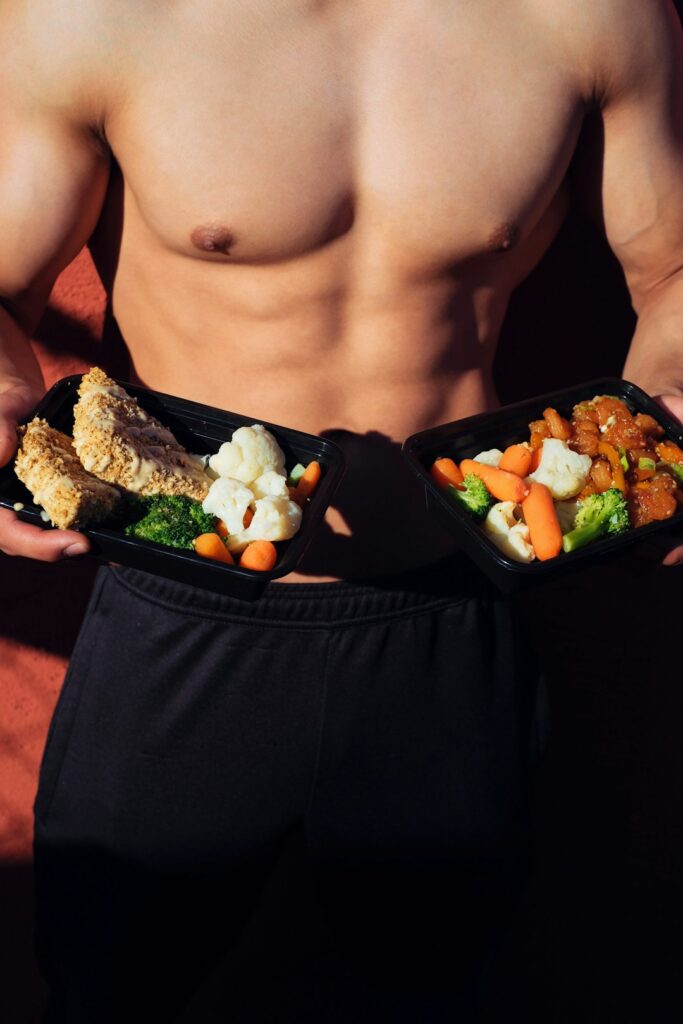
Building muscle requires more than lifting consistently. The body also needs enough energy, protein, carbohydrates, fluids, and recovery time to repair training-related damage and add new tissue. A practical nutrition plan does not need to be extreme or expensive; it needs to be adequate, repeatable, and matched to the person’s training and body-composition goals.
How many calories are needed to gain muscle?
A modest calorie surplus generally supports muscle growth better than aggressive overeating. Many adults can begin by eating roughly 200 to 300 calories above their usual maintenance intake, then adjust based on progress over several weeks.
A reasonable rate of weight gain is about 0.25% to 0.5% of body weight per week. Faster increases may add more body fat than muscle, while no weight change may indicate that training fuel is insufficient.
Track more than the scale:
- Workout performance and strength
- Waist measurement
- Weekly average body weight
- Recovery, energy, and hunger
- Progress photos taken under similar conditions
Daily weight can change because of fluid, sodium, carbohydrate intake, and digestion. Weekly averages provide a more useful picture.
People who are already carrying significant body fat may not need a calorie surplus to gain muscle, particularly if they are new to resistance training. Adequate protein and progressive training can sometimes support muscle gain while body weight stays stable or gradually decreases.
How much protein supports muscle growth?
Most people engaging in regular resistance training can aim for approximately 1.6 to 2.2 grams of protein per kilogram of body weight per day, or about 0.7 to 1.0 grams per pound. A target near the middle of that range is usually sufficient for a healthy adult.
For example, a 180-pound person might begin with about 130 to 180 grams of protein daily. More is not automatically better. Extremely high protein intake can crowd out carbohydrates, dietary fats, fruits, vegetables, and other foods needed for a balanced diet.
Distribute protein across the day instead of eating nearly all of it at dinner. Four meals containing 25 to 45 grams each may be more practical than trying to consume the full daily amount in one or two large servings.
Useful protein choices include:
- Eggs and dairy foods
- Poultry, seafood, and lean meats
- Beans, lentils, tofu, and tempeh
- Greek-style yogurt or cottage cheese
- Protein-fortified foods when convenient
A plant-based eating pattern can support muscle gain when meals include adequate total protein and a variety of protein sources.
What should be eaten before and after lifting?
The most important factor is total daily nutrition, not a narrow post-workout deadline. Still, eating around training can improve energy, performance, and recovery.
A pre-workout meal one to three hours before lifting can include:
- A protein source
- A carbohydrate-rich food
- A small amount of fat, depending on digestion and timing
Examples include yogurt with fruit and oats, rice with eggs, a turkey sandwich, or tofu with noodles. A smaller snack may work better if the workout follows soon after eating.
After training, combine protein with carbohydrates. Protein supplies amino acids for repair, while carbohydrates help restore muscle glycogen and support later workouts. A meal such as chicken with rice, beans with tortillas, or a fruit-and-yogurt bowl can meet these needs.
There is no requirement to use a shake immediately after the final set. A normal meal within a few hours is adequate for many people.
Why are carbohydrates useful for bodybuilding?
Carbohydrates are a major fuel source for resistance training, especially during higher-volume workouts with multiple sets. Eating too few can contribute to poor training performance, reduced energy, and difficulty recovering between sessions.
Helpful carbohydrate foods include:

- Rice, potatoes, oats, pasta, and whole-grain breads
- Beans, lentils, corn, and fruit
- Milk and yogurt
- Vegetables, especially those containing starch
Carbohydrate needs depend on body size, training volume, job activity, and overall calorie intake. A person lifting three times weekly may need less than someone completing long, high-volume sessions six days per week.
Carbohydrates do not cause fat gain by themselves. Consistently eating more total calories than the body uses is what drives weight gain. Portion size and the overall eating pattern matter more than labeling individual foods as “good” or “bad.”
How much dietary fat is appropriate?
Dietary fat supports hormone production, cell function, absorption of fat-soluble vitamins, and overall energy intake. It should not be removed from a muscle-gain diet.
Useful sources include avocados, nuts, seeds, olive oil, fatty fish, eggs, and dairy foods. A practical starting point is to obtain roughly 20% to 35% of daily calories from fat, then use carbohydrates and protein to fill the remaining needs.
Very low-fat diets can make it harder to meet calorie requirements and may reduce meal satisfaction. On the other hand, fats are calorie-dense, so large portions can increase calorie intake quickly.
How important are hydration and electrolytes in Dallas?
Hydration affects training quality, concentration, circulation, and temperature control. Hot, humid conditions can increase sweat losses, particularly during outdoor workouts, long sessions, or activities performed in spaces without reliable cooling.
Drink fluids regularly throughout the day rather than waiting until severe thirst develops. Pale-yellow urine is a general sign that fluid intake is adequate, although urine color can be affected by supplements and certain foods.
Water is sufficient for many workouts lasting about an hour or less, especially when regular meals provide sodium and other electrolytes. Longer sessions, heavy sweating, or outdoor training in hot conditions may require additional sodium and carbohydrate.
Warning signs such as dizziness, unusual weakness, confusion, severe headache, nausea, or cessation of sweating require stopping exercise and moving to a cooler environment. Hydration should not be treated as a substitute for heat precautions.
Are supplements necessary for muscle gain?
Supplements are optional, not foundational. Protein powder can be useful when busy schedules or low appetite make it difficult to reach protein targets with food. It does not build more muscle than an equivalent amount of protein from ordinary foods.
Creatine monohydrate is one of the better-studied supplements for repeated high-intensity activity and may improve strength, power, and training capacity for some adults. A common maintenance amount is 3 to 5 grams daily. It can increase body weight through additional water stored in muscle, which is not the same as fat gain.
Pre-workout blends, “testosterone boosters,” fat burners, and multi-ingredient bodybuilding products deserve caution. Labels may contain stimulants or combinations that have not been well studied together. People under 18, those who are pregnant, and anyone with a medical condition or medication regimen should obtain individualized medical guidance before using performance supplements.
What does a simple muscle-gain day of eating look like?
A balanced day might include oatmeal with milk, fruit, and eggs at breakfast; rice, beans, vegetables, and lean protein at lunch; yogurt, fruit, and nuts as a snack; and potatoes, fish or tofu, and vegetables at dinner.
Portions should be adjusted according to body size, training demands, appetite, and changes in body weight. Dallas residents who train outdoors or commute during hot seasons may also need to plan a portable meal, chilled fluids, and an earlier or later workout time so heat does not interfere with eating, hydration, or recovery.
The most reliable approach is consistent protein intake, sufficient calories, carbohydrate-rich meals around demanding workouts, adequate dietary fat, and regular hydration. Progress should be evaluated over several weeks rather than judged by a single meal, workout, or weigh-in.