

 See My Latest Article on HelloNation
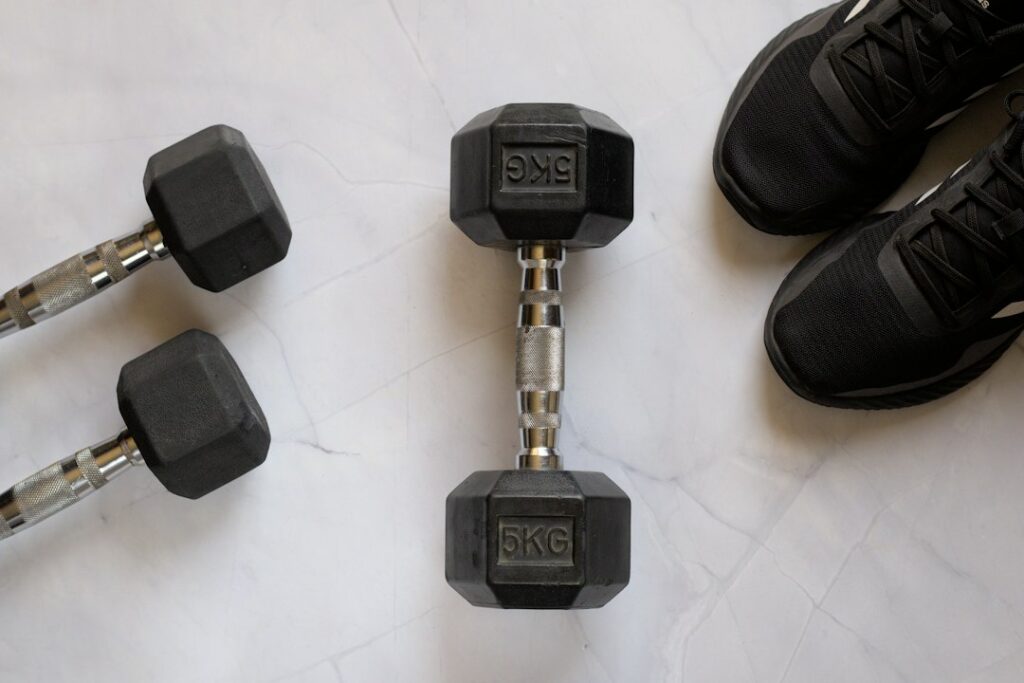
Building muscle requires enough protein, but most people do not need extreme amounts. For adults who perform regular resistance training, a practical daily target is usually 1.4 to 2.0 grams of protein per kilogram of body weight, or about 0.64 to 0.91 grams per pound.
That range is broad because protein needs depend on training experience, body composition, calorie intake, age, and goals. More protein does not automatically produce more muscle if training, sleep, and total nutrition are not also in place.
How much protein should you eat each day?
A useful starting point is to multiply body weight by 0.7 to 0.8 grams per pound.
Examples:
- A 150-pound adult: about 105 to 120 grams per day
- A 180-pound adult: about 125 to 145 grams per day
- A 200-pound adult: about 140 to 160 grams per day
- A 220-pound adult: about 155 to 175 grams per day
People training hard while eating fewer calories may benefit from the higher end of the range. Those who are new to resistance training, maintaining weight, or eating enough calories may make progress near the middle.
Using body weight is convenient, but it is not perfect for everyone. A person with a high body-fat percentage may overestimate protein needs by multiplying total body weight. In that situation, using a reasonable goal weight or lean body mass estimate can produce a more practical number.
Why does protein help build muscle?
Resistance training creates a stimulus that tells muscle tissue to adapt. Protein provides amino acids used to repair and build that tissue. Muscle growth occurs when muscle protein synthesis exceeds muscle protein breakdown over time.
Protein alone does not create substantial muscle growth. The main factors work together:
- Progressive resistance training
- Adequate total calories
- Sufficient protein
- Regular sleep and recovery
- Consistency over many weeks and months
A high-protein diet cannot fully compensate for workouts that do not gradually become more challenging. Likewise, a demanding training program may produce disappointing results if daily protein intake is consistently too low.
Is more protein always better?
No. Increasing protein from a very low intake to an adequate intake can help muscle growth and recovery. Increasing it far beyond what the body can use for the day does not guarantee additional muscle.
For many lifters, eating more than about 2.0 grams per kilogram daily offers limited extra benefit for muscle gain. Higher intakes may sometimes be useful during fat loss, particularly when calories are restricted, but they should not crowd out carbohydrates, fats, fruits, vegetables, and other foods needed for health and training performance.
Protein is also filling. Someone trying to gain muscle may accidentally eat too little overall if protein replaces too many calorie-dense carbohydrates or fats. That can make hard training feel more difficult and slow weight gain.
How should protein be divided across meals?
Daily intake matters more than a precise “anabolic window.” Still, spreading protein across the day is a practical way to support repeated muscle-building signals.
A useful approach is to eat three to five protein-containing meals or snacks, with roughly 25 to 40 grams per meal for many adults. Larger individuals may need somewhat more, while smaller adults may need less.
For example, a 180-pound adult targeting about 135 grams could divide intake like this:
- Breakfast: 30 grams
- Lunch: 35 grams
- Afternoon snack: 20 grams
- Dinner: 35 grams
- Evening snack: 15 grams
Protein consumed before or after resistance training can fit into this pattern. There is no need to consume it immediately after the final repetition, but eating a balanced meal within a few hours of training is reasonable.
Which foods provide enough protein?

Whole foods can meet muscle-building needs without requiring supplements. Practical options include:
- Eggs and egg whites
- Greek-style yogurt or cottage cheese
- Milk
- Chicken, turkey, lean beef, and fish
- Tofu, tempeh, edamame, and beans
- Lentils and peas
- Seitan
- Protein-fortified foods when useful
Plant-based eaters can build an effective protein intake by including a variety of legumes, soy foods, grains, nuts, and seeds. Soy foods, beans, lentils, and seitan are especially useful because they provide more protein per serving than many other plant foods.
In Dallas, hot weather can make large, heavy meals less appealing for part of the year. Chilled yogurt, milk, tofu dishes, bean salads, eggs, and lighter meals can make it easier to maintain protein intake without relying on oversized portions. Hydration still matters for training, especially during outdoor activity or in poorly cooled spaces, but drinking excessive water does not increase muscle growth.
Do you need protein powder?
No. Protein powder is a convenience food, not a requirement for building muscle. It may help someone reach a daily target when work schedules, appetite, cooking time, or travel make regular meals difficult.
A supplement should fill a gap rather than replace most of the diet. Food usually provides more variety, including fiber, vitamins, minerals, and other beneficial compounds. Check the serving size and total protein rather than assuming that a product labeled “high protein” contains enough for a full meal.
What if you are trying to lose fat while building muscle?
Muscle gain during fat loss is possible, especially for beginners, people returning after a break, and those with higher body-fat levels. The process is slower than gaining muscle in a calorie surplus, so protein becomes particularly useful.
A target near 0.8 to 1.0 gram per pound of goal body weight may be practical during a calorie deficit, depending on body size and training volume. The higher end is not automatically necessary, but adequate protein can help preserve lean mass while weight is decreasing.
Avoid aggressive dieting that causes rapid weight loss, poor training performance, persistent fatigue, or constant hunger. A moderate calorie deficit is generally easier to sustain.
Does protein intake change with age?
Protein needs may rise with age because older muscle tissue can respond less strongly to a given meal. Older adults who perform resistance training may benefit from consistently reaching the upper portion of the normal muscle-building range and including a meaningful protein serving at each meal.
Strength training remains essential. Protein has a supporting role, but it cannot replace exercises that challenge the muscles.
When should protein intake be medically reviewed?
People with diagnosed kidney disease, significant liver disease, a history of kidney stones, or other conditions affecting protein metabolism should not adopt a high-protein diet without individualized medical guidance. The same applies to anyone who is pregnant, managing a complex medical condition, or taking medication affected by diet.
For a healthy adult in Dallas who lifts regularly, a sensible starting point is simple: aim for about 0.7 to 0.8 grams per pound of body weight daily, spread across several meals, then adjust based on training progress, appetite, body weight, and recovery. Protein supports the process, but muscle is built through the combination of progressive training, adequate food, and time.