
 See My Latest Article on HelloNation
Starting a bodybuilding routine in Dallas, TX does not require advanced equipment, extreme dieting, or complicated training plans. Beginners make the most progress by learning basic movement patterns, training consistently, eating enough nutritious food, and allowing the body time to recover.
What should a beginner do first?
A beginner should start with a simple resistance-training plan performed two or three times per week. The first goal is not to lift the heaviest possible weight. It is to learn controlled technique and build a routine that can be followed for several months.
Before beginning, consider current health, previous injuries, medications, and exercise history. Most healthy adults can begin with moderate activity, but anyone with chest pain, unexplained shortness of breath, dizziness, or a significant medical condition should obtain medical guidance before training.
A useful first-month plan includes:
- Two or three full-body workouts each week
- One rest day between demanding sessions
- Five to ten minutes of light warm-up activity
- Six to eight basic exercises per workout
- One to three sets of each exercise
- Roughly eight to twelve controlled repetitions per set
The first sessions may feel easier than expected. That is appropriate. Early training is primarily about skill, coordination, and learning how the body responds.
Which exercises should beginners learn?
A beginner’s routine should cover the major movement patterns rather than focus only on visible muscles such as the chest or arms. A balanced program usually includes a squat, hinge, push, pull, loaded carry, and core-stability movement.
Examples include:
- Squat: Bodyweight squat, goblet squat, or leg press
- Hinge: Romanian deadlift with light weights or a hip-hinge drill
- Horizontal push: Push-up or chest press
- Horizontal pull: Seated row or supported dumbbell row
- Vertical push: Light overhead press, if shoulder motion is comfortable
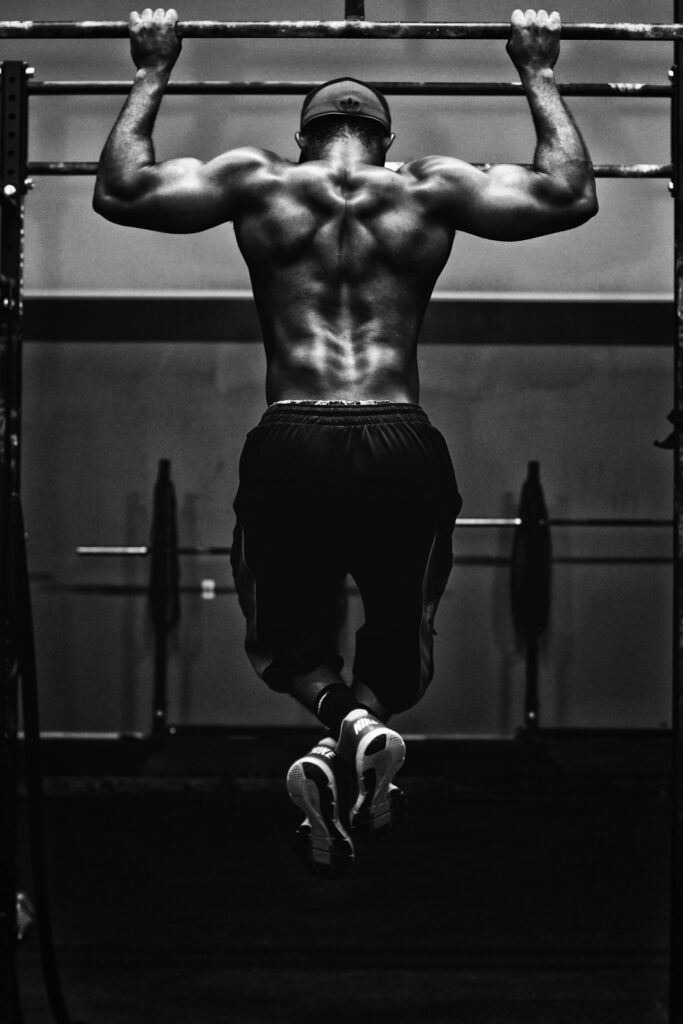
- Vertical pull: Assisted pull-up or pulldown
- Core stability: Plank, dead bug, or suitcase carry
Machines, free weights, resistance bands, and bodyweight exercises can all support muscle growth. The equipment matters less than using a manageable load, moving through a comfortable range of motion, and gradually increasing the challenge.
A beginner should stop a repetition if technique breaks down. Mild muscular effort is expected, but sharp pain, joint pain, numbness, or loss of control is a reason to stop and reassess.
How heavy should the weights be?
Choose a weight that allows the target repetitions with steady form while leaving approximately two or three good repetitions in reserve. For example, if a set calls for ten repetitions, the weight should feel challenging by the final repetitions but should not force twisting, bouncing, or shortened movement.
A practical progression method is to increase repetitions before increasing weight. If the plan calls for eight to twelve repetitions and all sets reach twelve with good form, increase the load slightly during the next session. If the new weight reduces performance to eight or nine repetitions, remain there until strength improves.
Progress can also come from:
- Adding one repetition
- Adding a small amount of resistance
- Performing an additional set
- Improving range of motion
- Using slower, more controlled repetitions
- Reducing unnecessary rest only after technique is reliable
The best progression is gradual. Large jumps in weight may increase soreness and injury risk without producing faster muscle growth.
How often should a beginner train?
Most beginners can build muscle with two or three resistance-training sessions per week. Each muscle group generally benefits from being trained more than once weekly, especially when total training volume is moderate.
A simple schedule might use full-body workouts on Monday, Wednesday, and Friday, with lighter activity or rest between sessions. Another option is two full-body sessions separated by several days.
Daily movement still matters. Walking, mobility work, recreational activity, and moderate cardiovascular exercise can support general fitness without replacing resistance training. In Dallas, TX, hot and humid conditions during much of the year can make outdoor activity more tiring, so hydration, shade, indoor training, and cooler training times may be practical considerations.
Muscle soreness is not a requirement for progress. A new trainee may feel sore after the first few workouts, but persistent soreness that interferes with normal movement usually indicates that training volume or intensity is too high.
What should beginners eat to gain muscle?

Muscle growth requires resistance training along with adequate protein, calories, and recovery. Protein can come from foods such as eggs, dairy, poultry, fish, lean meats, beans, lentils, tofu, and other nutrient-dense options.
A reasonable general target for active adults is approximately 1.4 to 2.0 grams of protein per kilogram of body weight per day. This range does not need to be reached perfectly every day. Dividing protein across three or four meals can make intake easier and support regular eating habits.
A balanced meal may include:
- A protein source
- A carbohydrate such as rice, potatoes, oats, fruit, or whole-grain bread
- Vegetables or other fiber-rich foods
- A source of dietary fat, such as nuts, seeds, avocado, or olive oil
People trying to gain muscle may need a modest calorie surplus, meaning slightly more energy than the body uses. Large increases often lead to unnecessary fat gain and digestive discomfort. Beginners who have higher body-fat levels may be able to gain strength and muscle without deliberately eating much more food.
Supplements are optional. Protein powder can be convenient, but it is not required if adequate protein is obtained from regular meals. Creatine monohydrate has evidence for improving strength and training performance for many adults, but anyone with medical concerns should discuss supplements with a qualified healthcare professional.
How much sleep and recovery are needed?
Adults generally benefit from seven or more hours of sleep per night, and hard training may increase the need for consistent rest. Muscles adapt between workouts, not only during the lifting session.
Recovery also includes managing total stress, eating regularly, and avoiding rapid increases in training volume. A beginner who sleeps poorly, works long hours, or has physically demanding responsibilities may need fewer weekly sessions than someone with a more predictable schedule.
Heat is another consideration for local residents. Training in a poorly ventilated space or exercising outdoors during the hottest part of the day can raise fatigue and dehydration risk. Drinking fluids regularly, taking appropriate breaks, and watching for warning signs such as confusion, severe weakness, nausea, or faintness are sensible precautions.
How long does it take to see results?
Strength often improves within the first several weeks because the nervous system becomes more efficient at coordinating movement. Visible muscle changes usually take longer and depend on training consistency, nutrition, sleep, genetics, age, and starting condition.
Track progress with several measures rather than relying only on body weight:
- Repetitions completed with a given weight
- Improvements in technique and range of motion
- Circumference measurements taken under consistent conditions
- Monthly progress photos, if comfortable
- Energy, recovery, and workout consistency
Body weight can fluctuate because of water, food intake, sodium, and changes in glycogen. A single weigh-in does not show whether a program is working.
What mistakes should beginners avoid?
The most common beginner mistakes are doing too much too soon, changing programs constantly, ignoring lower-body training, and treating soreness as proof of effectiveness. Copying advanced lifters can also lead to excessive volume or poor exercise selection.
Avoid training through sharp pain, using momentum to move weights, skipping warm-ups when joints feel stiff, and attempting maximal lifts without adequate experience. A consistent, moderate routine followed for six months is generally more productive than an aggressive plan followed for two weeks.
Bodybuilding begins with repeatable habits: learn the movements, train the whole body, increase difficulty gradually, eat sufficient protein and overall nourishment, and protect recovery. That foundation can later support more specialized goals such as gaining size, improving strength, or preparing for a physique competition.