
 See My Latest Article on HelloNation
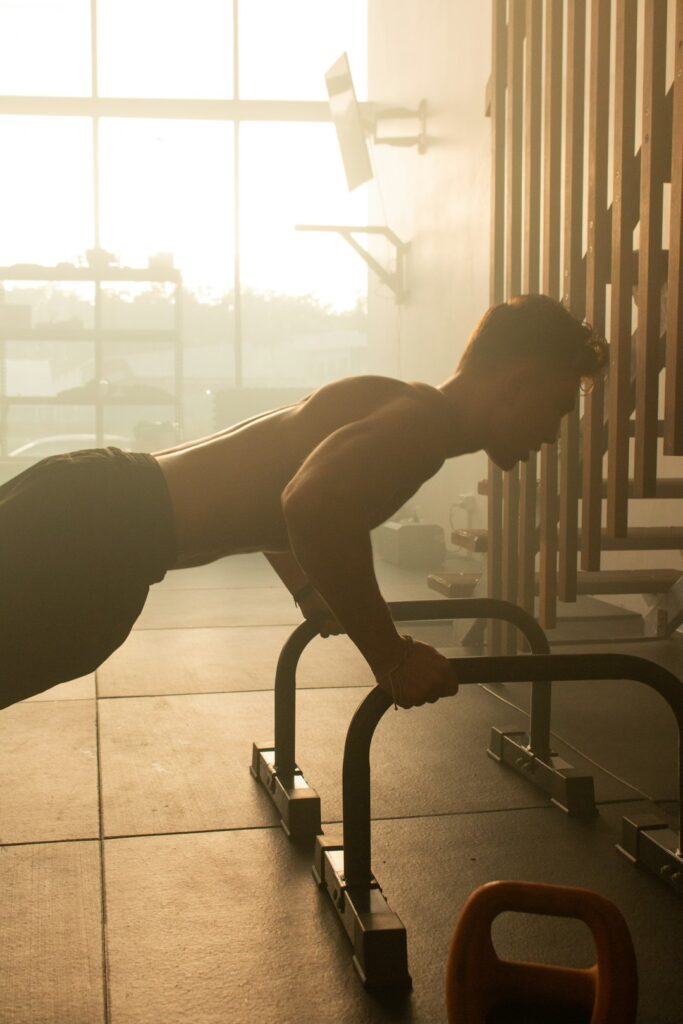
Bodyweight training can build noticeable muscle when exercises are difficult enough, performed with controlled technique, and progressed over time. For residents of Dallas, TX, it can also be a practical option because it requires little equipment and can be adapted to a bedroom, apartment, garage, backyard, or shaded outdoor space.
Muscle growth does not depend entirely on barbells or machines. The body responds to challenging resistance, adequate recovery, and sufficient nutrition. Bodyweight exercises provide that resistance by using body position, leverage, range of motion, and higher training volume.
Can bodyweight exercises build muscle?
Yes. Bodyweight exercises can support muscle growth when the muscles are exposed to enough tension and the workout gradually becomes more demanding.
A set should generally finish with only a few controlled repetitions still possible. If an exercise is so easy that many more repetitions could be completed, it may improve muscular endurance more than size. The solution is not always to perform endless repetitions. It may be better to use a harder variation, slow the lowering phase, pause at the hardest point, or increase the range of motion.
Useful progression methods include:
- Moving from an easier variation to a harder one
- Adding repetitions while maintaining good form
- Increasing the number of challenging sets
- Slowing the lowering portion of each repetition
- Pausing briefly during the most difficult position
- Reducing rest periods cautiously, without sacrificing technique
Which bodyweight exercises are best for upper-body growth?
The most productive upper-body movements are push-ups, dips, pull-ups, chin-ups, inverted rows, and pike push-ups. Each emphasizes different muscles and can be adjusted for beginners or experienced trainees.
Push-ups
Push-ups train the chest, shoulders, triceps, and supporting muscles around the trunk. Hand position changes the emphasis:
- A standard position distributes work across the chest, shoulders, and arms.
- A narrower hand position increases the demand on the triceps.
- A wider position may place more emphasis on the chest but should not cause shoulder discomfort.
- Feet-elevated push-ups increase the challenge for the upper chest and shoulders.
Keep the body in a mostly straight line, lower under control, and avoid allowing the lower back to sag. If a full push-up is too difficult, use an elevated surface before progressing to floor repetitions.
Pull-ups and chin-ups
Pull-ups and chin-ups are valuable for the back, biceps, forearms, and grip. Chin-ups, with the palms facing toward the body, are often more accessible because the biceps contribute more.
A person who cannot yet complete a full repetition can practice:
- Slow lowering repetitions
- Isometric holds with the chin above the bar
- Foot-assisted repetitions
- Scapular pull-ups, which focus on shoulder-blade movement
A secure bar and adequate clearance are essential. Improvised furniture should not be used unless it is specifically designed to bear bodyweight safely.
Dips
Dips place substantial demand on the triceps, chest, and front shoulders. They should be performed only on stable parallel surfaces designed to support the user. Lowering too deeply can irritate the front of the shoulder, particularly if mobility or control is limited.
Begin with assisted dips or short, comfortable ranges of motion. Progress gradually rather than forcing depth.
Pike push-ups
Pike push-ups shift more of the workload toward the shoulders and triceps. They can be a useful step toward more advanced overhead pressing variations.
Keep the hips raised, lower the head toward the space between the hands, and maintain control through the shoulders. A folded exercise mat can make the movement more comfortable on hard indoor flooring.
Which lower-body exercises support muscle growth?
Squats, split squats, lunges, step-ups, glute bridges, and single-leg variations form the foundation of lower-body bodyweight training. The main challenge is making the movement difficult enough for the legs and hips.
Squats
Bodyweight squats train the quadriceps, glutes, and supporting muscles. Beginners can squat to a chair or use a controlled partial range. More experienced trainees can use pause squats, slower repetitions, or single-leg progressions.
The knees do not need to remain completely still or directly over the ankles. A comfortable movement pattern matters more than forcing a rigid position. The feet should stay stable, and the knees should track generally in line with the toes.
Split squats and lunges
Single-leg exercises often provide a stronger training stimulus than two-leg squats because each leg handles more of the load. They also expose differences in balance, mobility, and strength between sides.
Split squats are easier to control than walking lunges and work well in limited indoor space. Reverse lunges may feel more stable than forward lunges for many people. Use a wall or sturdy support for balance if needed.
Step-ups
Step-ups train the quadriceps and glutes while also challenging balance. The platform must be solid, level, and high enough to create a challenge without forcing the hips to twist or the knee to collapse inward.
Glute bridges and single-leg bridges
Glute bridges train the glutes and hamstrings with relatively low impact. Pause at the top rather than arching the lower back. Once two-leg bridges become easy, progress to single-leg bridges or longer pauses.
How should a bodyweight workout be structured?

A practical muscle-building session usually includes one push, one pull, one lower-body movement, and one trunk exercise. Two or three full-body sessions per week can work well for many adults, provided the muscles have time to recover.
A sample session could include:
- Push-ups: 3 sets of 6–15 controlled repetitions
- Inverted rows or assisted pull-ups: 3 sets of 6–12 repetitions
- Split squats: 3 sets of 8–15 repetitions per side
- Glute bridges: 3 sets of 10–20 repetitions
- Plank or dead bug: 2–3 controlled sets
The repetition ranges are starting points, not strict requirements. Stop a set when technique begins to deteriorate. Rest roughly one to three minutes between demanding sets, using more rest for difficult pull-ups, dips, or single-leg exercises.
How can bodyweight training progress without weights?
Progression is necessary because the body adapts to repeated workloads. A useful approach is to select a repetition range, such as 8–15, and gradually add repetitions until the upper end is reached with reliable form. Then move to a harder variation.
For example:
- Wall push-up → elevated push-up → floor push-up → feet-elevated push-up
- Assisted squat → bodyweight squat → pause squat → split squat
- Scapular pull-up → assisted pull-up → negative pull-up → full pull-up
- Two-leg bridge → paused bridge → single-leg bridge
Tempo can also increase difficulty. A three-second lowering phase makes a standard push-up or squat substantially more demanding without adding equipment.
What mistakes limit muscle growth?
The most common problem is stopping far too early in a set. If every set feels easy, the exercise may not provide enough stimulus. The opposite problem is using poor form to chase repetitions.
Other limiting mistakes include:
- Training the same muscles hard every day
- Ignoring pulling movements and focusing only on push-ups
- Using a range of motion that causes pain
- Changing exercises constantly instead of tracking progress
- Treating soreness as proof of an effective workout
- Neglecting sleep and adequate food intake
Muscle growth also requires sufficient dietary protein and total energy. Meals built around protein-rich foods, fruits, vegetables, whole grains, and healthy fats can support training. Hydration deserves extra attention during hot, humid periods, especially when exercising outdoors or in a poorly ventilated garage.
How can residents train safely in Dallas?
Indoor training is often more comfortable during very hot afternoons, sudden storms, or high humidity. Outdoor sessions are better scheduled during cooler parts of the day, with water available and enough shade for rest periods.
A level surface, stable equipment, and adequate ventilation reduce avoidable risks. Warm up with several minutes of easy movement and practice lighter versions of the exercises before working at a challenging intensity. Joint pain, sharp pain, dizziness, chest discomfort, or unusual shortness of breath are reasons to stop rather than push through.
The most effective bodyweight routine is one that can be repeated consistently, progressed gradually, and recovered from fully. With thoughtful exercise selection and regular tracking, limited equipment does not have to limit muscular development.